
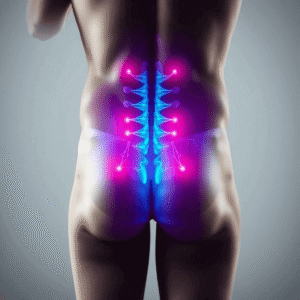
Back pain from lifting affects millions of people every day, making it one of the most common workplace injuries across industries. Whether you’re moving boxes in a warehouse, lifting patients in healthcare, or simply picking up your child at home, improper lifting techniques can lead to painful and debilitating injuries that impact your quality of life.
The statistics paint a concerning picture: workplace back injury accounts for nearly 20% of all workplace injuries, with lifting-related incidents being the primary culprit. These injuries don’t discriminate—they affect office workers who occasionally move supplies, construction workers handling heavy materials, and anyone who underestimates the importance of proper body mechanics.
Understanding the mechanics behind lifting injury becomes crucial when you consider that many of these incidents are entirely preventable. The difference between a safe lift and a trip to the emergency room often comes down to knowledge—knowing how your body responds to different lifting scenarios, recognizing early warning signs, and implementing proper techniques before problems arise.
This comprehensive guide will walk you through everything you need to know about lifting-related back injuries. You’ll discover how to identify different types of injuries, recognize symptoms that require immediate attention, explore effective treatment options, and most importantly, learn practical prevention strategies you can implement today. Armed with this knowledge, you’ll be better equipped to protect your back and maintain an active, pain-free lifestyle.
Understanding Back Injuries from Lifting
The lumbar region bears the brunt of lifting-related stress, making it the most vulnerable area for injuries from weight lifting and everyday lifting activities. This lower portion of your spine consists of five vertebrae (L1-L5) that support your body’s weight while allowing for bending and twisting motions essential during lifting tasks.
Common Types of Back Injuries from Lifting
Types of back injuries from lifting range from minor muscle irritation to serious structural damage. Each type presents distinct characteristics that help identify the severity and appropriate treatment approach.
- Muscle strains: These represent the most common lifting injury, occurring when muscle fibers stretch beyond their capacity or tear partially. These injuries typically develop from sudden movements, lifting objects that exceed your strength capacity, or maintaining awkward positions during lifting tasks.
- Ligament sprains: These affect the tough bands of tissue connecting your vertebrae. Unlike muscles, ligaments have limited blood supply, making them slower to heal and more susceptible to re-injury if not properly managed.
- Herniated discs: These constitute the most serious category of lifting-related injuries. The gel-like center of spinal discs can push through weakened outer walls, potentially compressing nearby nerves and causing radiating pain down your legs.
| Injury Type | Primary Cause | Key Symptoms |
| Back Strain | Sudden lifting, overexertion | Localized muscle pain, stiffness, spasms |
| Ligament Sprain | Twisting while lifting, improper form | Deep aching pain, joint instability |
| Herniated Disc | Heavy lifting with poor posture | Sharp pain, numbness, leg weakness |
Understanding Injury Patterns
The lumbar injury patterns often correlate with specific lifting mechanics. Poor technique places excessive pressure on spinal structures, creating micro-tears that accumulate over time or sudden failures during heavy lifting episodes. Understanding these injury mechanisms helps recognize early warning signs and implement appropriate interventions before minor discomfort escalates into chronic conditions requiring extensive medical treatment.
Causes and Risk Factors of Lifting-Related Back Injuries
Understanding what triggers back injuries during lifting activities helps identify patterns that lead to overexertion and tissue damage. Several interconnected factors create the perfect storm for injury, often combining in ways that catch people off guard.
Sudden Movements and Overexertion
Quick, jerky motions place tremendous stress on spinal structures that aren’t prepared for sudden load changes. When you lift something heavier than expected or twist while carrying a load, your muscles and ligaments experience forces they can’t adequately support. This overexertion occurs when the demand exceeds your body’s current capacity, whether due to fatigue, inadequate warm-up, or simply underestimating the weight.
Your spine functions like a complex pulley system – disrupting this balance with abrupt movements forces individual components to bear loads they weren’t designed to handle alone.
Poor Posture and Improper Lifting Methods
Improper lifting techniques create mechanical disadvantages that multiply injury risk. The classic mistake of bending at the waist instead of the knees places your lumbar spine in a vulnerable flexed position while under load. This posture:
- Increases pressure on intervertebral discs by up to 40%
- Stretches posterior ligaments beyond their safe range
- Forces back muscles to work at inefficient angles
- Creates shear forces that can damage spinal joints
Rounding your back while lifting transforms your spine from a strong, stable column into a weak, curved structure prone to buckling under pressure. Adopting proper lifting techniques can significantly mitigate these risks.
Repetitive Strain in Work Environments
Repetitive strain injury develops gradually through countless lifting cycles that individually seem harmless. Manual labor jobs, warehouse work, and healthcare settings expose workers to cumulative micro-trauma. Each repetition slightly fatigues muscles and stretches connective tissues, reducing their protective capacity.
The body’s repair mechanisms can’t keep pace with continuous stress, leading to tissue breakdown. Workers who prevent injury through proper technique training and regular breaks significantly reduce their risk of developing chronic conditions that can sideline careers and impact quality of life. Implementing strategies for preventing back injuries in the workplace is essential for maintaining long-term health and productivity.
Recognizing Symptoms of Back Injury from Lifting
Understanding the signs of back injury can make the difference between quick recovery and prolonged discomfort. Lifting injury symptoms typically show up within hours of the incident, though some may appear gradually over the following days.
Primary Symptoms to Watch For
Low back pain symptoms from lifting incidents commonly present as:
- Sharp, stabbing pain that worsens with movement or specific positions
- Dull, aching discomfort that persists even during rest
- Muscle spasms that cause involuntary contractions and intense cramping
- Stiffness that limits your ability to bend, twist, or stand upright
- Reduced range of motion when attempting normal daily activities
The pain may radiate into your buttocks or upper thighs, particularly if nerve involvement occurs. Muscle spasms often serve as your body’s protective mechanism, creating a “splinting” effect around the injured area.
Red Flag Symptoms Requiring Immediate Medical Care
Certain symptoms indicate serious complications requiring emergency attention:
- Numbness or tingling in legs, feet, or groin area
- Weakness in one or both legs
- Loss of bladder or bowel control
- Fever accompanying back pain
- Severe pain that doesn’t improve with rest or position changes
- Complete inability to bear weight or walk
Self-Monitoring After a Lifting Incident
Track your symptoms using a simple pain scale from 1-10, noting when pain worsens or improves. Pay attention to specific movements that trigger discomfort and document any changes in sensation or strength. Monitor sleep quality, as back injury from lifting often disrupts rest patterns. Keep a brief daily log of your functional abilities – can you dress yourself, climb stairs, or sit comfortably? This information proves valuable for healthcare providers and helps you recognize improvement or deterioration patterns.
Diagnosing Lifting-Induced Back Injuries
Healthcare providers begin the diagnosis of back injury with a comprehensive clinical evaluation that combines detailed history taking and thorough physical examination.
Medical History Assessment
During the consultation, your doctor will ask specific questions about the lifting incident, including:
- The weight of the object
- Your body position during the lift
- The exact moment pain began
They’ll also inquire about your work environment, previous back injuries, and current activity levels to build a complete picture of potential contributing factors.
Physical Examination Techniques
The physical examination involves several assessment techniques to evaluate your condition:
- Observing your posture
- Testing your range of motion
- Performing specific maneuvers to identify areas of tenderness or muscle spasm
Your healthcare provider may ask you to bend forward, backward, and to each side while monitoring for pain responses or movement limitations. Neurological tests, such as checking reflexes and muscle strength in your legs, help determine if nerve involvement exists.
Imaging Studies for Back Pain
Imaging studies for back pain serve specific diagnostic purposes when clinical evaluation suggests more serious injury or when symptoms persist despite initial treatment. The choice of imaging depends on your symptoms and examination findings:
- X-rays: reveal bone fractures, alignment issues, or degenerative changes but cannot show soft tissue injuries
- MRI scans: provide detailed images of muscles, ligaments, and discs, making them ideal for detecting herniated discs or soft tissue damage
- CT scans: offer excellent bone detail and may be used when MRI is unavailable or contraindicated
Conservative Management for Lifting-Related Back Injuries
Most lifting-related back injuries respond well to conservative management without requiring immediate imaging. Your healthcare provider typically reserves diagnostic tests for cases involving severe pain lasting beyond 6 weeks, neurological symptoms like numbness or weakness, or suspected serious conditions. This approach prevents unnecessary radiation exposure and reduces healthcare costs while ensuring appropriate care for injuries that truly require advanced imaging for proper treatment planning.
Treatment Approaches for Back Pain from Lifting Injuries
Effective treatment for lifting injury begins with immediate care strategies that address pain and inflammation. The first 48 hours after injury represent a critical window where proper intervention can significantly impact recovery outcomes.
Immediate Care Protocol
Rest and ice application form the foundation of early treatment. Apply ice packs for 15-20 minutes every 2-3 hours during the first two days to reduce swelling and numb pain. Wrap ice in a thin towel to prevent skin damage, and avoid applying heat during this initial phase as it can worsen inflammation.
Pain Management Options
Conservative care for back pain often includes over-the-counter medications to manage discomfort and reduce inflammation:
| Medication | Dosage | Benefits | Considerations |
| Ibuprofen | 200-400mg every 6-8 hours | Anti-inflammatory, pain relief | Take with food; avoid if stomach issues |
| Acetaminophen | 325-650mg every 4-6 hours | Pain relief, fever reduction | Safer for stomach; monitor total daily dose |
| Naproxen | 220mg every 8-12 hours | Long-lasting anti-inflammatory | May cause drowsiness; take with food |
Progressive Recovery Strategies
After the initial 48-hour period, treatment shifts toward restoring mobility and function. Heat therapy becomes beneficial at this stage, using warm compresses or heating pads for 15-20 minutes to relax tight muscles and improve blood flow. Gentle stretching exercises help prevent stiffness and gradually restore range of motion.
Simple movements like knee-to-chest stretches, pelvic tilts, and gentle spinal rotations can be performed several times daily. Start slowly and stop if pain increases.
Professional Treatment Options
Physical therapy for back injury provides structured rehabilitation focusing on core strengthening and flexibility improvement. Licensed therapists design personalized exercise programs that address specific muscle imbalances and movement patterns contributing to injury risk. Treatment typically includes:
- Targeted strengthening exercises for deep abdominal and back muscles
- Flexibility training to improve spinal mobility
- Posture correction techniques
- Manual therapy to reduce muscle tension
Advanced Interventions
Severe cases may require additional medical interventions. Muscle relaxants can help reduce painful spasms, while corticosteroid injections may be considered for persistent inflammation. These treatments are typically reserved for cases where conservative approaches haven’t provided adequate relief after several weeks of consistent application.
The key to successful recovery lies in following a progressive approach that respects the body’s natural healing timeline while actively working toward restored function and strength.
Preventing Back Injuries in the Workplace and Daily Life
Proper lifting techniques are essential for preventing back injuries both at work and in our everyday activities. The key is to understand how our bodies move during lifting and to apply these principles consistently.
Master the Fundamentals of Safe Lifting
Step-by-Step Lifting Technique:
- Position yourself close to the object – keep it within arm’s reach
- Squat down by bending your knees and hips, while keeping your back straight
- Grip firmly with both hands using your whole hand, not just fingertips
- Engage your core muscles before lifting
- Rise slowly using your leg muscles while keeping the object close to your body
- Avoid twisting your spine – turn with your feet instead
The “bend your knees, not your waist” principle protects your lower back from excessive stress. When you bend at the waist, you put a lot of pressure on your lower back discs, which greatly increases the risk of injury.
Build Your Body’s Natural Defense System
Regular physical activity strengthens the muscles that support your spine, creating a natural barrier against injury. Focus on exercises that target:
- Core strengthening – planks, bridges, and modified crunches
- Flexibility training – yoga or gentle stretching routines
- Cardiovascular fitness – walking, swimming, or cycling
- Weight management – reducing excess weight decreases spinal load
Strong core muscles act like a natural back brace, providing stability during lifting and reducing strain on your spine.
Leverage Educational Resources for Long-Term Success
Ergonomic education programs are crucial for preventing back injuries at work. Ewi Works online trainings offer comprehensive instruction on proper body mechanics, helping employees understand the science behind safe lifting practices. These programs teach workers to recognize risk factors before injuries happen.
Modern technology provides additional support through tools like the PoseChecker app, which helps individuals assess their posture during lifting activities. This real-time feedback allows you to identify and correct improper techniques before they become habits.
Create Sustainable Safety Habits
Consistency matters more than perfection. Start by practicing proper lifting techniques with lighter objects at home, gradually building muscle memory that will help you in more challenging situations. Pay attention to your body’s signals – fatigue, awkward positions, or rushed movements all increase your risk of injury.
Consider your work environment and daily routines. Simple changes like adjusting shelf heights, using lifting aids, or taking regular breaks can greatly reduce your exposure to injury-causing situations.
Practical Tips to Manage Minor Back Discomfort at Home
When mild back discomfort strikes after lifting, home remedies for back pain can provide significant relief without requiring medical intervention. The key lies in knowing which gentle movements support healing while avoiding activities that could worsen the strain.
Safe Stretches for Immediate Relief
Start with these simple stretches that target common areas of tension:
- Knee-to-chest stretch: Lie on your back and gently pull one knee toward your chest, holding for 20-30 seconds before switching sides
- Cat-cow stretch: On hands and knees, alternate between arching and rounding your back slowly
- Child’s pose: Kneel and sit back on your heels while reaching arms forward on the ground
Movement vs. Rest Balance
Gentle movement often proves more beneficial than complete bed rest when managing minor back strain. Extended periods of inactivity can actually increase stiffness and prolong recovery time. Light walking for 10-15 minutes several times daily helps maintain blood flow and prevents muscles from tightening.
Listen to your body’s signals – mild discomfort during movement is normal, but sharp or increasing pain indicates the need to stop and rest.
Posture Awareness Beyond the Workplace
Your spine doesn’t clock out when you leave work. Maintaining proper alignment while:
- Sitting on the couch (use a small pillow for lumbar support)
- Sleeping (side-sleeping with a pillow between knees reduces strain)
- Doing household tasks (bend at the knees when picking up items)
These seemingly minor adjustments create a foundation for long-term back health. Poor posture habits at home can undo the benefits of proper workplace ergonomics, making consistent awareness throughout your day essential for preventing recurring discomfort.
Ergonomics Resources for Further Learning
The journey toward better lifting practices extends beyond basic techniques. Ergonomics resources online provide comprehensive guidance for developing safer movement patterns and understanding the science behind injury prevention. These educational platforms offer evidence-based strategies that complement the home management techniques you’ve already learned.
Trusted Educational Platforms
Professional organizations like the Occupational Safety and Health Administration (OSHA) and the National Institute for Occupational Safety and Health (NIOSH) maintain extensive libraries of lifting safety guidelines. Their resources include detailed biomechanical analyses, workplace assessment tools, and industry-specific recommendations that help individuals understand the why behind proper lifting techniques.
Academic institutions also contribute valuable research through their ergonomics departments, offering free access to studies on lifting mechanics and injury prevention strategies.
Technology-Assisted Learning
The PoseChecker app ergonomics tool represents a modern approach to posture assessment and lifting technique evaluation. This digital platform allows users to analyze their movement patterns through guided assessments, providing immediate feedback on potential risk factors. The app’s interactive features help identify specific areas where lifting form might need improvement, making it particularly useful for self-directed learning.
Workplace-Focused Training Programs
Ewi Works offers specialized online ergonomics trainings designed specifically for workplace environments. Their programs address common lifting scenarios encountered in various industries, from warehouse operations to healthcare settings. These comprehensive courses combine theoretical knowledge with practical applications, helping both individuals and organizations develop effective injury prevention strategies.
The platform’s free content includes introductory materials that demonstrate proper lifting mechanics and workplace assessment techniques, making ergonomics education accessible to a broader audience.
Conclusion
Back pain prevention tips become second nature when you commit to practicing them consistently. Whether you’re lifting boxes at work, moving furniture at home, or simply picking up groceries, the principles remain the same: proper body mechanics protect your spine from unnecessary stress and potential injury.
The journey to recognize treat lifting injuries starts with awareness. Your body sends clear signals when something isn’t right—sharp pain, muscle stiffness, or limited mobility after a lifting injury shouldn’t be ignored. Early recognition paired with appropriate treatment can mean the difference between a quick recovery and months of chronic discomfort.
Building these habits takes time, but the investment pays dividends in your long-term health and quality of life. Strong core muscles, proper lifting techniques, and ergonomic awareness create a protective foundation that serves you in countless daily activities.
Your spine supports you through decades of movement—returning that support through mindful practices makes perfect sense.
Ready to deepen your understanding of safe lifting practices? The ergonomics resources we’ve discussed offer practical tools and knowledge to help you maintain a healthy, pain-free back. Taking that next step toward learning more about ergonomics principles could be one of the most valuable investments you make in your physical well-being.
FAQs (Frequently Asked Questions)
What are the common types of back injuries caused by lifting?
Common back injuries from lifting include muscle strains, ligament sprains, and herniated discs, particularly affecting the lumbar region due to lifting activities. Each injury type has distinct causes and symptoms, such as muscle strain causing localized pain and herniated discs potentially leading to nerve-related symptoms.
What causes lifting-related back injuries and how can I reduce the risk?
Lifting-related back injuries often result from improper lifting techniques like bending at the waist instead of the knees, overexertion, sudden movements, poor posture, and repetitive strain especially in manual labor jobs. Reducing risk involves using correct body mechanics, avoiding overloading, and incorporating regular physical activity to strengthen core muscles.
What symptoms indicate a back injury from lifting that requires medical attention?
Symptoms of a lifting-related back injury include sharp or dull lower back pain, muscle stiffness or spasms, and limited range of motion. Immediate medical attention is necessary if severe symptoms occur such as numbness, paralysis, fever, or loss of bladder or bowel control.
How are lifting-induced back injuries diagnosed?
Diagnosis involves a clinical evaluation including detailed history taking and physical examination by healthcare providers. Imaging studies like X-rays, MRI, or CT scans may be used to assess injury severity and rule out other conditions. Diagnostic tests are recommended based on symptom severity and response to initial conservative management.
What treatment options are effective for back pain caused by lifting injuries?
Initial treatment includes rest and ice application within the first 48 hours to reduce inflammation and pain. Over-the-counter pain relievers such as ibuprofen or acetaminophen can be used with appropriate dosages. Progression to heat therapy and gentle stretching helps restore mobility. Physical therapy focusing on core strengthening and flexibility offers long-term benefits. Severe cases may require medications like muscle relaxants or injections under medical guidance.
How can I prevent back injuries when lifting at work or home?
Preventing back injuries involves practicing proper lifting techniques—bend your knees instead of your waist and keep the load close to your body. Maintaining regular physical activity strengthens core muscles and helps maintain a healthy weight. Ergonomic education programs like Ewi Works trainings and using apps such as PoseChecker for posture assessment can further reduce injury risks in workplace and daily life settings.